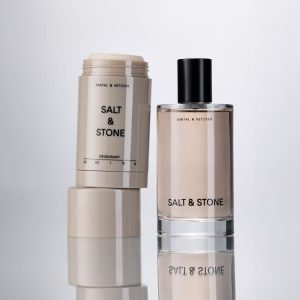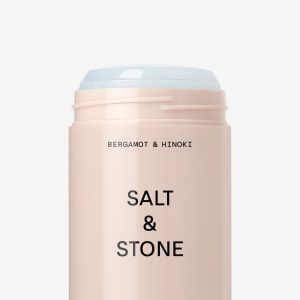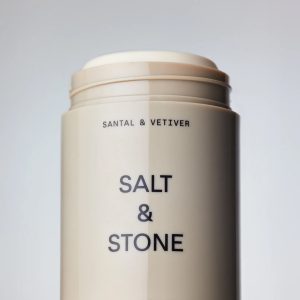
They’re best sellers
for a reason
Try the scents everyone’s talking about.

Best Sellers
Best Sellers
Best Sellers
Best Sellers
Best Sellers
Best Sellers
Best Sellers
Best Sellers
Best Sellers
Best Sellers
Best Sellers
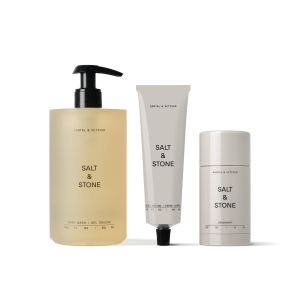
Best Sellers
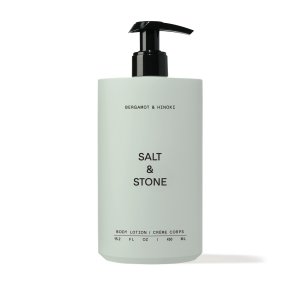
Best Sellers
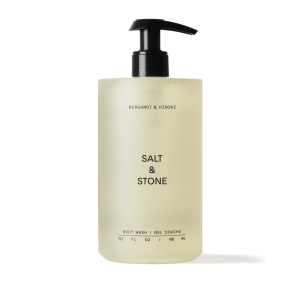
Best Sellers
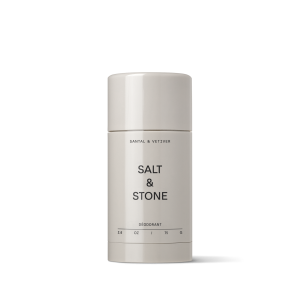
Best Sellers
Shop by Category

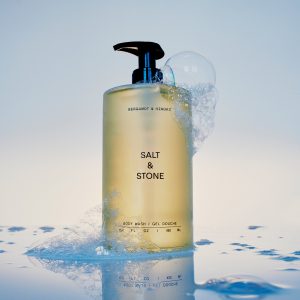
The simple act of cleansing the body, a ritual we perform almost subconsciously every day, has a fascinating history rooted in ancient necessity and refined by modern science. While our ancestors relied on basic soaps and oils, today’s bath and shower routine is often elevated by the sophisticated liquid we know as body wash. This seemingly mundane product is, in fact, a marvel of cosmetic chemistry, transforming daily hygiene into an act of sensory pleasure and skin nourishment.
The journey from a harsh, bar soap made from animal fat and lye to the gentle, pH-balanced liquid in our bathroom is a testament to progress. Early cleansing agents, while effective at removing grime, often stripped the skin of its natural moisture barrier, leaving it dry and irritated. The invention of liquid cleansers marked a significant pivot. These formulations, becoming widely popular in the late 20th century, offered a more hygienic, convenient, and most importantly, a less irritating alternative. The liquid format allowed for the integration of water-soluble moisturizing agents and gentle surfactants—the compounds responsible for creating that satisfying lather and dissolving oils—that could not be easily incorporated into a solid bar.
The primary function of any body cleanser is to remove surface dirt, sweat, and excess sebum (oil) that accumulate throughout the day. However, modern formulations go far beyond mere cleansing. They are engineered to maintain or even enhance the skin’s health. The science behind this involves careful selection of ingredients. Gentle cleansing agents, often derived from plant sources, work by lowering the surface tension of water, allowing it to mix with and wash away lipid-based impurities. Crucially, these ingredients are balanced to ensure they remove only the impurities, leaving the skin’s beneficial protective oils largely intact.
One of the most appealing aspects of using a liquid cleanser is the sensory experience. Formulations are often enriched with elements that release captivating aromas upon contact with warm water and steam. These olfactory experiences are not just pleasant distractions; they are an integral part of the self-care ritual. A vibrant, uplifting scent in the morning can serve as an energizing start to the day, while a soothing, comforting aroma in the evening can signal the body and mind to relax and prepare for rest. This connection between scent and mood elevates the daily shower from a chore to a mindful moment of well-being.
When selecting a product, understanding the different formulations available is key. Some are designed to be intensively hydrating, containing humectants that draw moisture into the skin and emollients that soften and smooth its surface. These are ideal for individuals with naturally dry or mature skin. Other formulations may focus on gentle exfoliation, utilizing minute, smooth particles or mild skin-renewing acids to help shed dead surface cells, revealing brighter, smoother skin underneath. For those with sensitive or reactive skin, the best choice is often a simple, unscented formula with minimal additives, designed specifically to clean effectively without causing irritation.
Ultimately, the choice of a daily cleanser is a personal decision, reflecting individual skin needs and preferences for scent and texture. But its role in our lives is universal. It is the silent, faithful companion to our daily routine, a product that symbolizes cleanliness, comfort, and the essential act of caring for one’s physical self. The warm, steamy environment of the shower, coupled with the rich lather of a carefully chosen liquid cleanser, offers a brief, yet powerful, moment of solitude and revitalization—a small daily investment in overall well-being.